Every year, August develops the same reputation: recruiters are on holiday, hiring managers are away, and businesses press pause until September.
It’s one of the biggest myths in recruitment.
Yes, inboxes can be quieter and interview processes may move a little slower. But hiring doesn’t stop. Businesses still need to replace key talent, deliver projects, and prepare for the final quarter of the year. In many cases, August is when companies begin planning for a busy September and October, meaning the groundwork for new hires is already underway.
The reality is that candidates who stay active during August often enter September with a significant advantage over those who wait for the “perfect” time to start looking.
The Market Doesn’t Stop – It Simply Changes Pace
The UK recruitment market has undoubtedly become more competitive over the past 18 months. The Office for National Statistics reported approximately 718,000 vacancies across the UK during May to July 2025, down from previous years, with around 2.3 unemployed people competing for every vacancy.
That sounds challenging, and it is, but it also means standing out has never been more important. Many job seekers assume everyone is taking a break in August, so they postpone updating their CV, delay conversations with recruiters and wait until September to apply.
Ironically, that creates an opportunity.
With fewer active candidates in the market during the summer months, recruiters often have more time to engage with quality applicants. If your profile lands on their desk in August, you’re far more likely to have a meaningful conversation before the September rush begins.
August is for Positioning, Not Pausing
Think of your job search like training for a marathon. You wouldn’t stop training a month before race day.
The same applies to your career.
September is traditionally one of the busiest hiring periods of the year, but the candidates who succeed aren’t usually the ones who start preparing in September, they’re the ones who spent August getting ready.
Use the quieter weeks to:
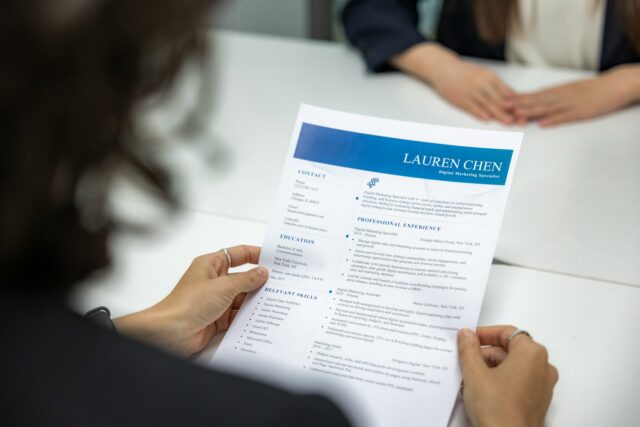
- Refresh your CV with measurable achievements and recent successes.
- Update your LinkedIn profile so it reflects the role you want next, not the one you started three years ago.
- Gather recommendations from colleagues and managers while your recent projects are still fresh.
- Research companies you’re genuinely interested in rather than applying to every vacancy you see.
When hiring accelerates, preparation beats panic every time.
Stay Visible Even When Others Aren’t
Recruitment is about relationships as much as it is applications. Most senior appointments don’t happen because someone clicked “Easy Apply.” They happen because someone remembered a conversation, recognised a name, or thought, “They’re exactly who we should speak to.”
August is the perfect time to strengthen your professional visibility. Consider:
- Reconnecting with former colleagues or mentors.
- Commenting thoughtfully on industry discussions on LinkedIn.
- Sharing lessons from projects you’ve completed.
- Speaking to specialist recruiters about opportunities expected later in the year.
You don’t need to post every day. Consistency is far more valuable than volume.
Use the Time to Invest in Yourself
If interviews are slightly quieter, that’s not lost time. It’s development time. Whether you’re aiming for your first management role or a board-level position, employers continue to value candidates who demonstrate continuous learning. Ask yourself:
- Could you improve your Excel, Power BI or financial modelling skills?
- Is there an AI tool or digital platform becoming increasingly relevant within your industry?
- Could you complete a short leadership or communication course?
- Have you stayed up to date with market trends affecting your sector?
Even small investments in your development can make a meaningful difference during interview conversations. They show curiosity, ambition and a commitment to continuous improvement.
Don’t Mistake Silence for Rejection
August also requires patience. Decision-makers take annual leave. Interview panels become harder to coordinate. Feedback sometimes takes longer than expected. That doesn’t necessarily mean you’ve been unsuccessful. One of the biggest mistakes candidates make is assuming a delayed response is a rejection and abandoning the process too early. Instead:
- Follow up professionally after interviews.
- Keep applying while waiting for feedback.
- Continue networking.
- Maintain momentum rather than putting everything on hold.
The hiring process may slow during summer, but it rarely stops altogether.
September Success Starts in August
Historically, recruitment activity increases once businesses return from the summer break. The Recruitment & Employment Confederation (REC) has consistently noted that August experiences a seasonal slowdown before hiring activity strengthens again in September as organisations return to full capacity and finalise plans for the remainder of the year.
The candidates who benefit most from that increase are rarely those who begin their search after the holidays. They’re the people who’ve already built relationships, refined their personal brand, updated their CV and positioned themselves as ready to move.
Success in recruitment is rarely about perfect timing. It’s about consistent action.
Final Thoughts
It’s easy to believe that August is a month to switch off your job search. But careers don’t work around holiday calendars. Every conversation you have, every profile update you make, every recruiter you reconnect with and every skill you develop builds momentum for the opportunities ahead.
Rather than asking whether recruitment slows down in August, ask yourself a different question:
When September arrives, do you want to be starting your job search, or already ahead of it?
The candidates who treat August as a month to prepare, rather than pause, are often the ones who enter autumn with the strongest networks, the sharpest CVs and the greatest chance of securing the opportunities everyone else is only just beginning to chase.